
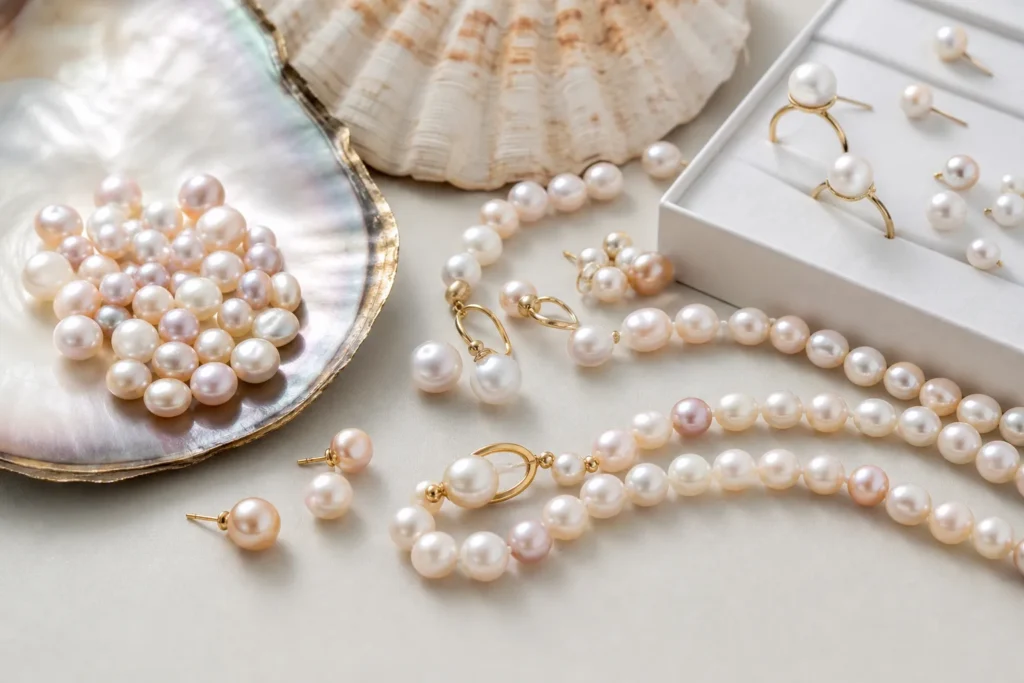
A Comprehensive Guide to Freshwater Pearl Jewelry: Trends, Sourcing, and Strategies
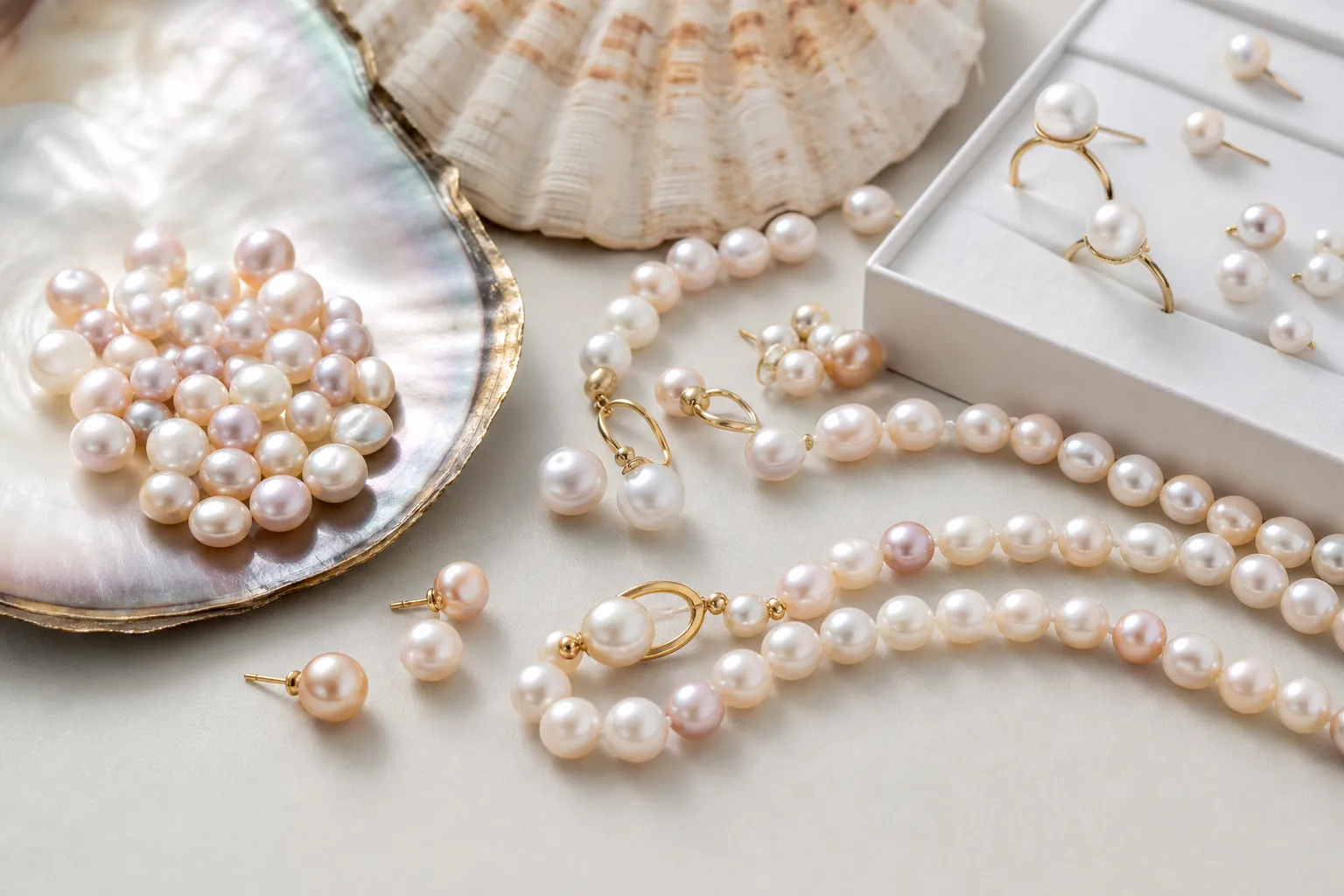
Freshwater pearl jewelry has seen a remarkable rise in popularity within the global jewelry market, captivating consumers and retailers alike. These unique pearls are cultivated in freshwater mussels, primarily found in lakes and rivers, distinguishing them from their saltwater counterparts. Known for their distinctive shapes, vibrant colors, and affordability, freshwater pearls have become a favored choice among jewelry enthusiasts. The significance of freshwater pearl jewelry in today’s market is substantial, catering to a diverse audience that seeks both elegance and value.
Market Trends for Freshwater Pearl Jewelry
Currently, the demand for freshwater pearl jewelry is experiencing a notable surge, largely driven by changing consumer preferences towards sustainable and ethically sourced products. In my experience, as more individuals prioritize eco-friendly options, freshwater pearls—which are often harvested with minimal environmental impact—are becoming a preferred choice. Growth projections for this segment indicate a promising outlook, with reports suggesting a compound annual growth rate (CAGR) of approximately 8% over the next five years. This trend not only highlights the increasing popularity of freshwater pearls but also reflects a broader shift in the jewelry market towards sustainable practices.
Specifications of Freshwater Pearl Jewelry
For businesses looking to make bulk purchases, understanding the specifications of freshwater pearl jewelry is crucial. Freshwater pearls come in various types, including round, oval, and baroque shapes, each offering unique aesthetic qualities. Quality indicators for freshwater pearls include luster, surface quality, shape, and size. High-quality pearls exhibit a deep, reflective luster with minimal blemishes. Additionally, size significantly impacts value, with larger pearls typically commanding higher prices. Retailers should familiarize themselves with these specifications to ensure they are sourcing products that meet customer expectations. For more insights on sourcing quality products, visit our product page. For authoritative information on pearl grading, check out the GIA’s Pearl Grading page.
Use Cases for Bulk Purchases
Bulk purchases of freshwater pearl jewelry present numerous opportunities for retailers and designers. The retail landscape is ripe with possibilities, as these pearls can be incorporated into a wide variety of products, from necklaces and bracelets to earrings and rings. Custom jewelry design is also gaining traction, allowing businesses to create unique pieces tailored to specific customer preferences. By offering bespoke designs that feature freshwater pearls, retailers can set themselves apart in a competitive market and cultivate customer loyalty.
Sourcing Freshwater Pearl Jewelry
When it comes to sourcing freshwater pearl jewelry, businesses must identify key suppliers and manufacturers known for their quality products. In my view, reliable suppliers often have established relationships with pearl farmers and adhere to ethical sourcing practices. This not only ensures that the pearls are of high quality but also that they are harvested responsibly. Retailers should conduct thorough research to find suppliers who prioritize sustainability and transparency in their operations, as this can significantly enhance brand reputation and build customer trust. For more information on our commitment to quality and sustainability, check out the About Us page.
Implementation Strategies for Businesses
To capitalize on the growing market for freshwater pearl jewelry, businesses need to implement effective strategies. First and foremost, inventory management is crucial. Retailers should maintain an optimal stock of various styles and sizes of freshwater pearls to meet customer demand without overextending their resources. Additionally, marketing approaches should emphasize the unique qualities of freshwater pearls, such as their sustainable sourcing and versatility in design. Utilizing social media and influencer partnerships can enhance visibility and attract a wider audience.
Comparisons with Other Types of Pearls
When comparing freshwater pearls to saltwater pearls, several key differences emerge. Freshwater pearls are generally more affordable than saltwater varieties, making them an attractive option for cost-conscious consumers. While saltwater pearls, such as Akoya and Tahitian pearls, often boast a more uniform shape and higher luster, freshwater pearls offer a broader range of colors and shapes that appeal to diverse tastes. Price point analysis shows that freshwater pearls can be a more accessible option for retailers looking to offer quality jewelry without the premium price tag associated with saltwater varieties.
Frequently Asked Questions
Common buyer concerns about freshwater pearl jewelry typically revolve around quality and authenticity. Retailers should be prepared to address these concerns by providing detailed information about the sourcing and quality indicators of their products. For first-time buyers, tips such as examining the luster and surface quality of pearls can help ensure they make informed purchasing decisions. Educating customers about the unique characteristics of freshwater pearls can also enhance their appreciation and willingness to invest in these beautiful pieces.
In conclusion, understanding the market demand for freshwater pearl jewelry is essential for businesses looking to thrive in the jewelry sector. With favorable market trends, diverse use cases, and ethical sourcing practices, freshwater pearls present a lucrative opportunity for retailers and designers alike. By implementing strategic approaches to sourcing, inventory management, and marketing, businesses can effectively tap into this growing market and meet the evolving needs of consumers.